Applications
3D printers have improved. For large, simple forms or rapid concept models, they are a reasonable tool. For production-quality cast jewelry, they introduce problems that are difficult to eliminate:
Layer lines print into every surface and transfer to the casting. Post-processing adds labor to every model before the piece is acceptable.
Ash residue from photopolymer resins survives burnout inside the investment. It contaminates the casting surface and causes porosity. Casting wax burns out completely.
Thermal expansion mismatch between resin and investment cracks molds during burnout. Casting failures. Casting wax is formulated to match investment expansion.
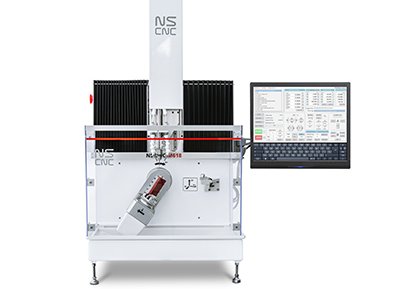
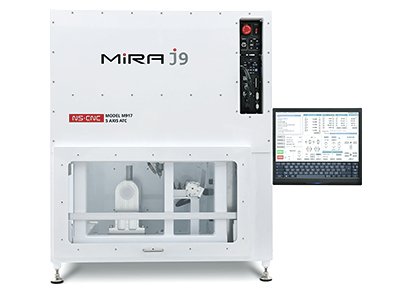
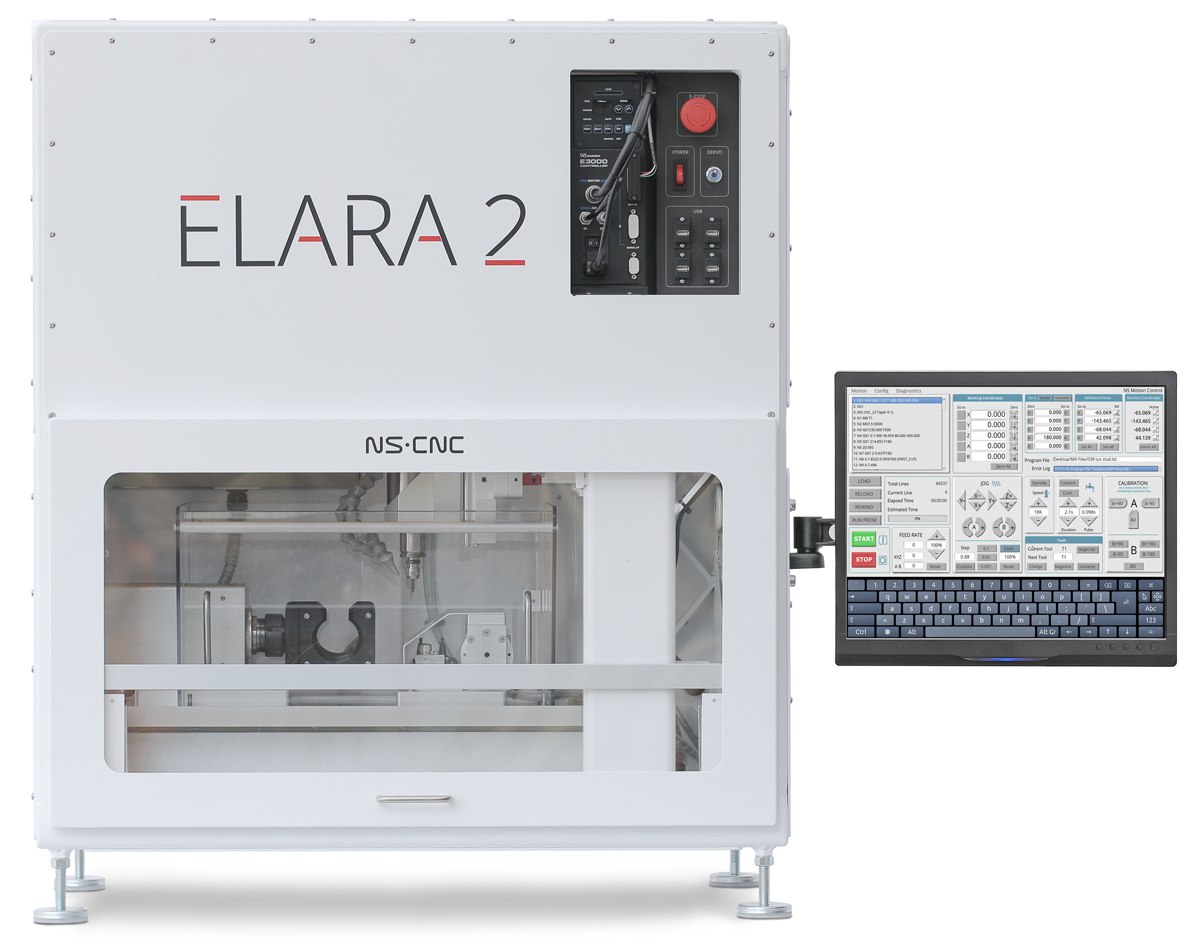
Milling produces none of these problems. The Mira 6S cuts directly in purpose-formulated casting wax. Surface resolution: 0.3 microns. Burnout: clean. Casting success rate: consistent.

