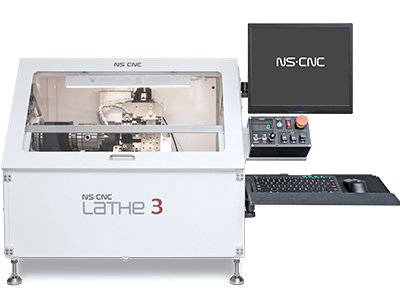
Applications

Our machines have operated for years in university laboratories worldwide, supporting research across biology, chemistry, electronics, and physics. High precision, reliable motion, zero spindle runout — the foundation scientists depend on to fabricate custom components, develop new methods, and publish original work.
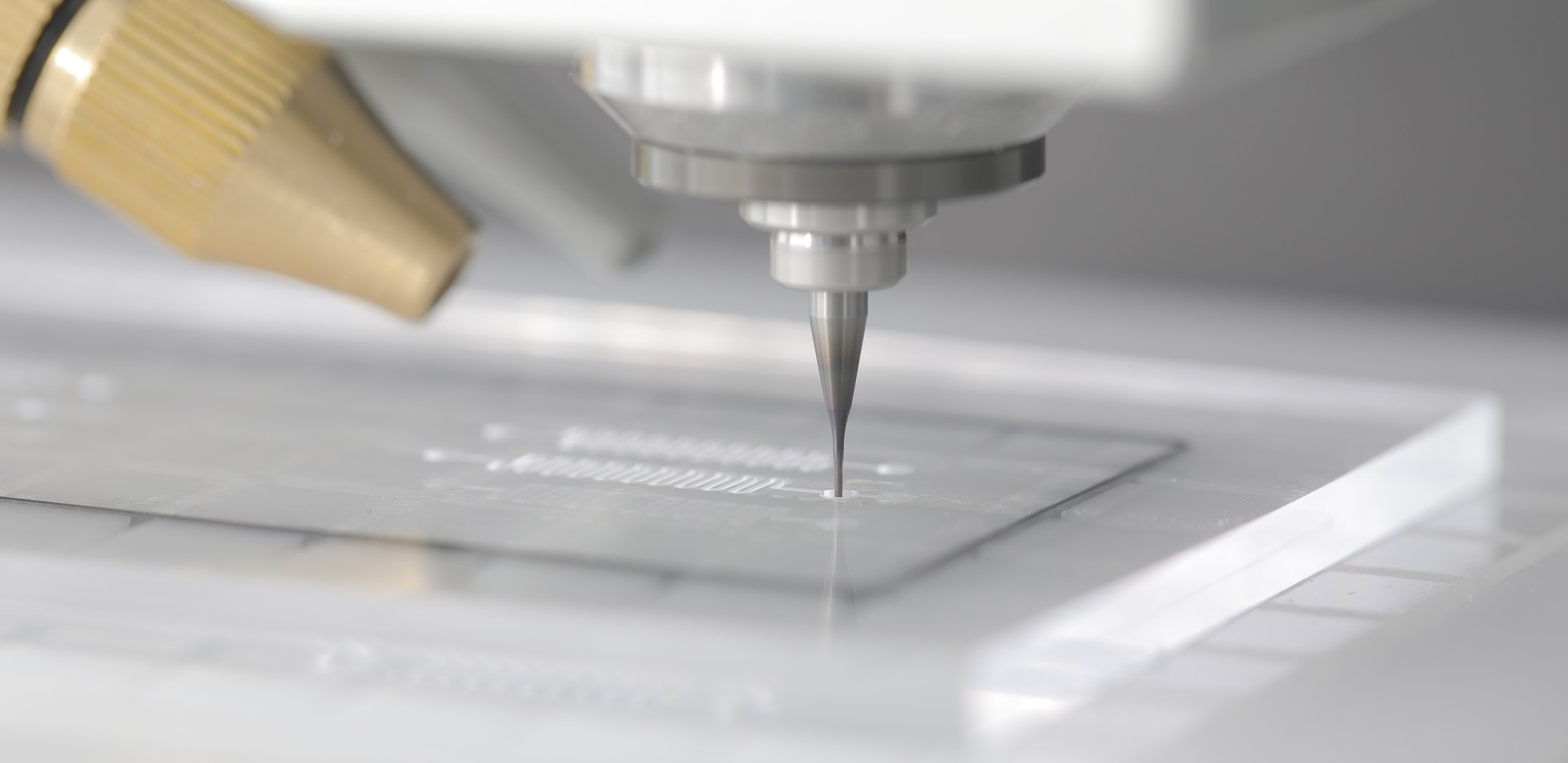
NS CNC machines are widely used to fabricate microfluidic chips. Channel milling measured in micrometers requires sustained positional accuracy across long programs, a rigid machine base, zero spindle runout, and very high spindle speed to produce clean edges in plastic without melting or delamination.
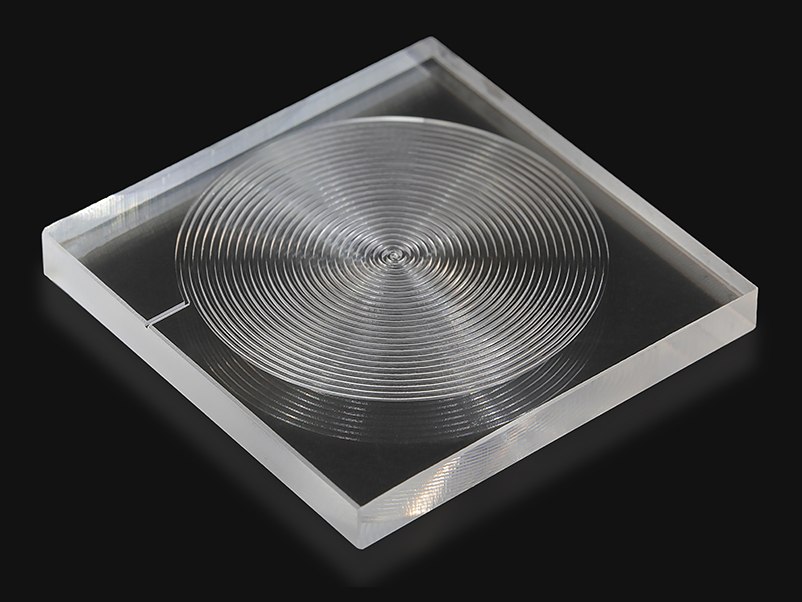
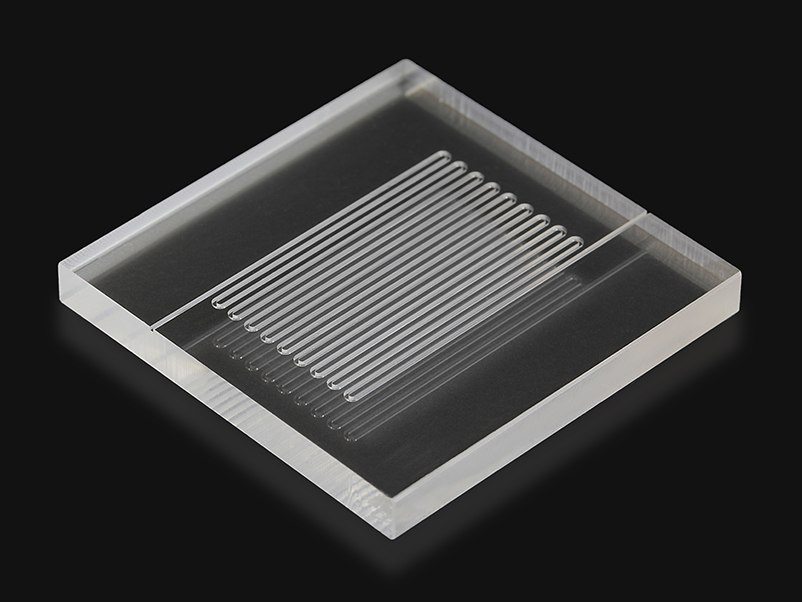
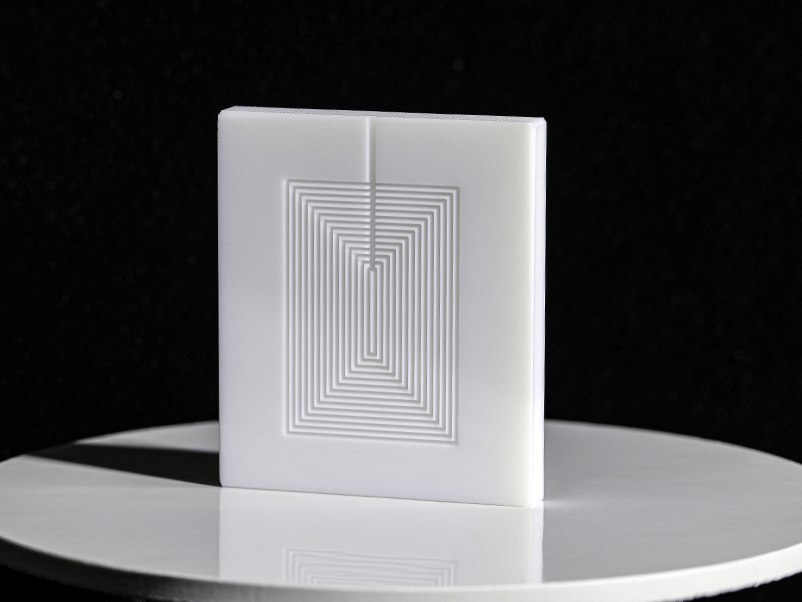
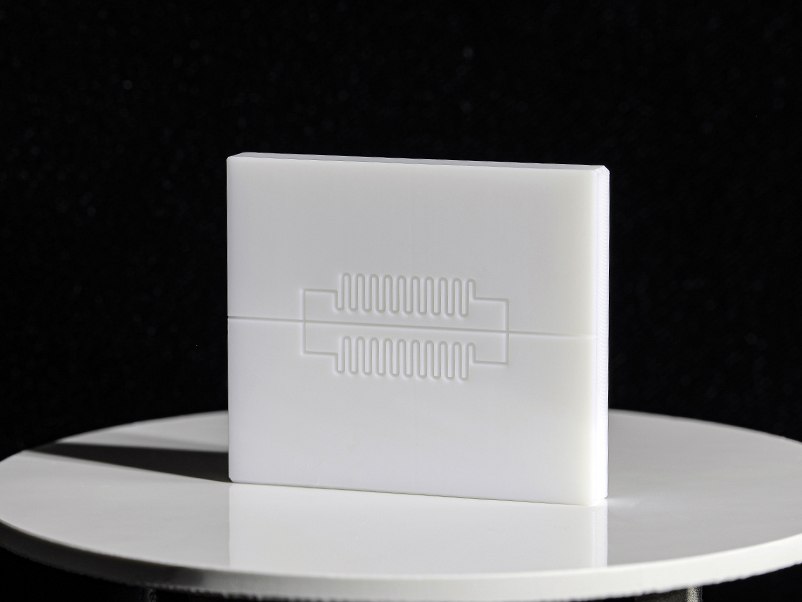
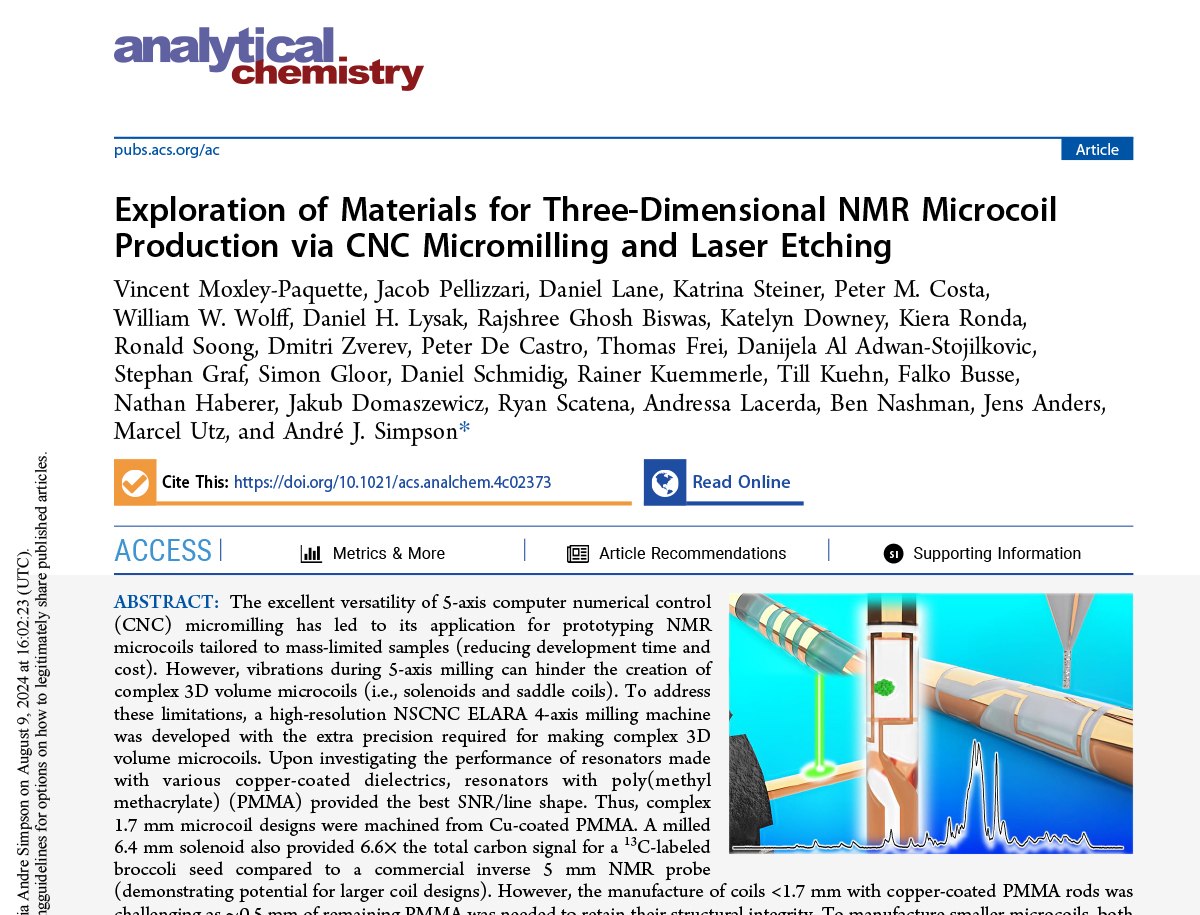
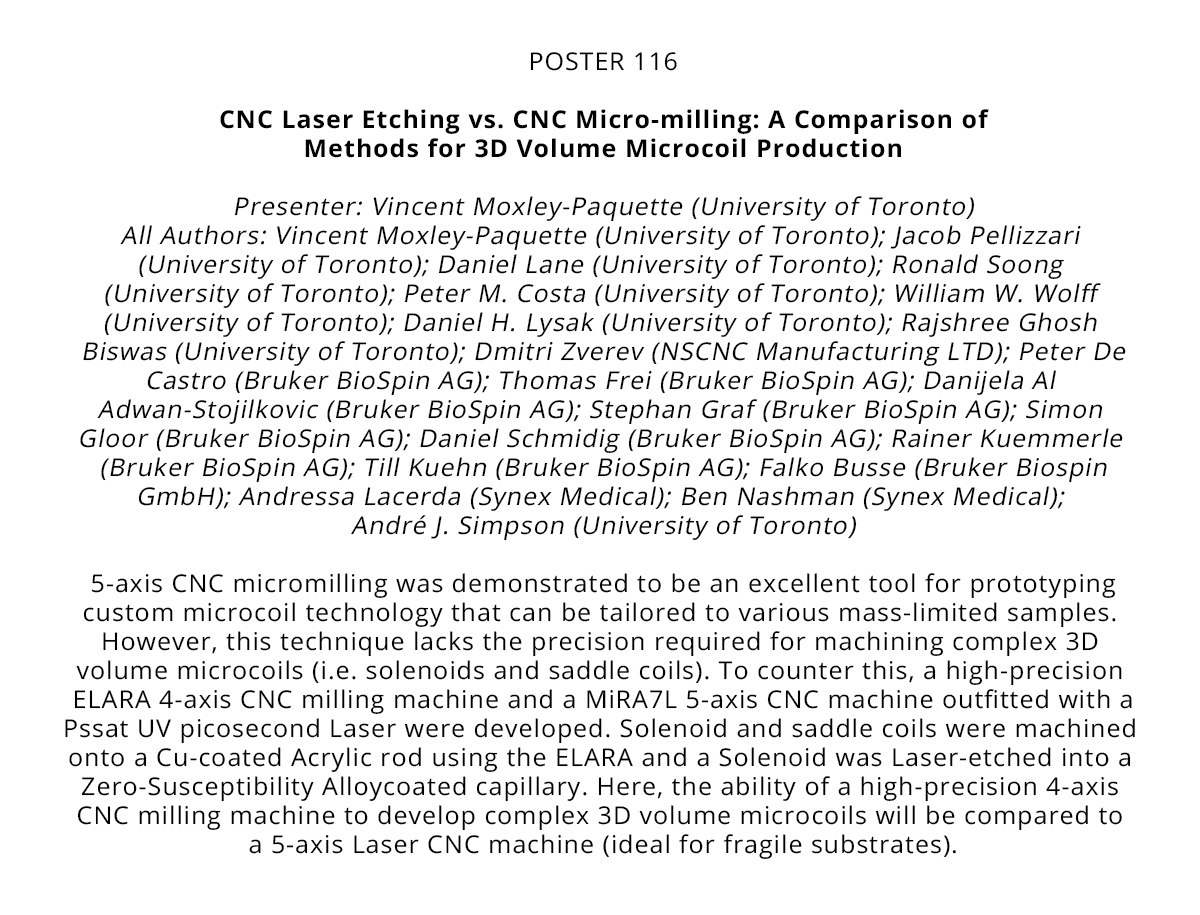
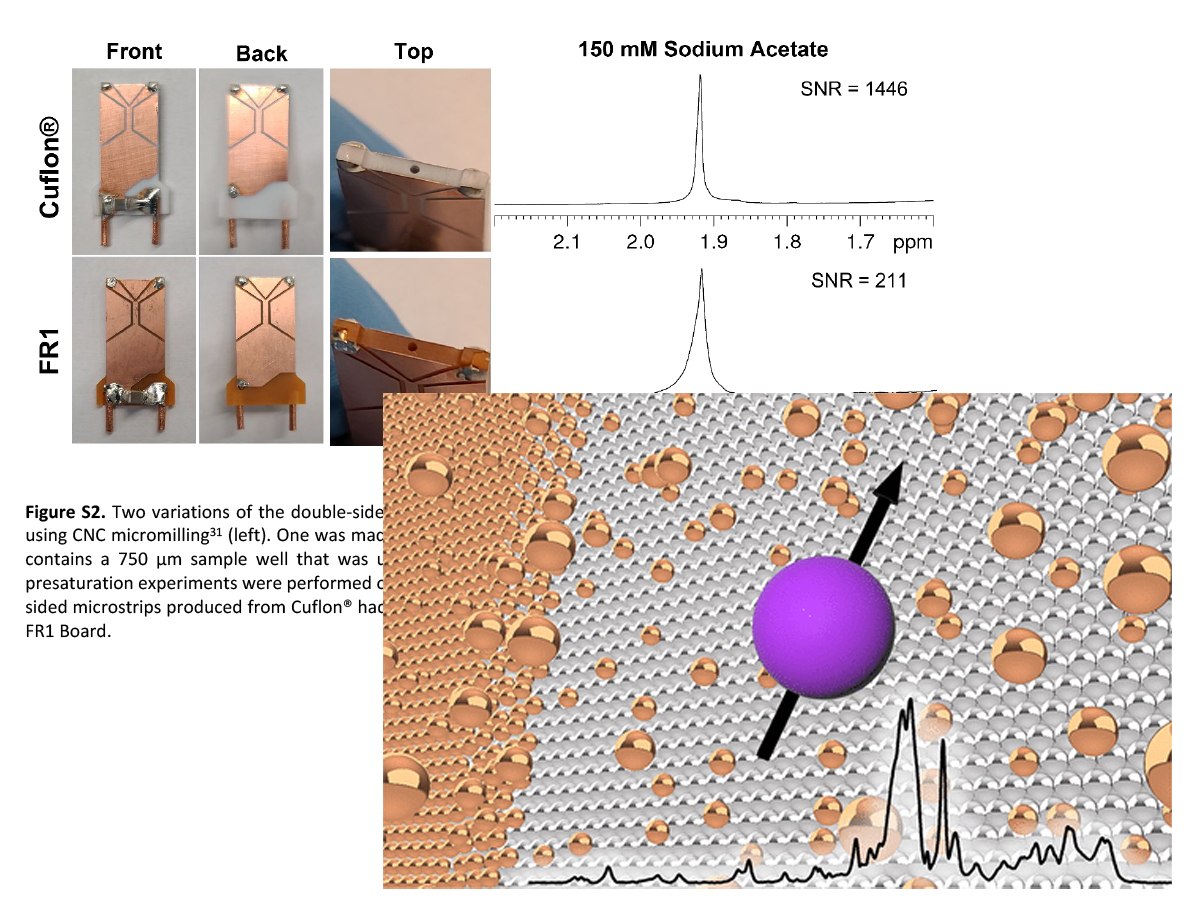
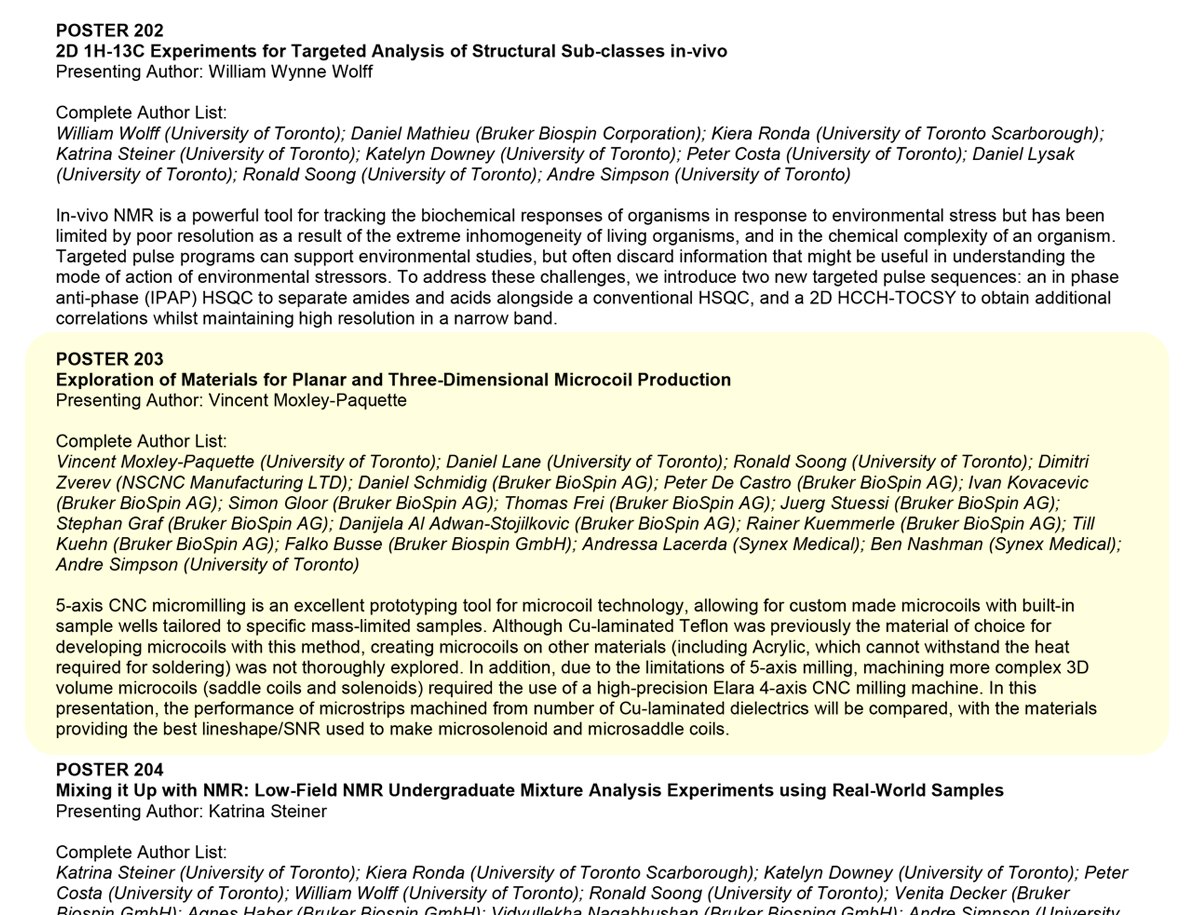
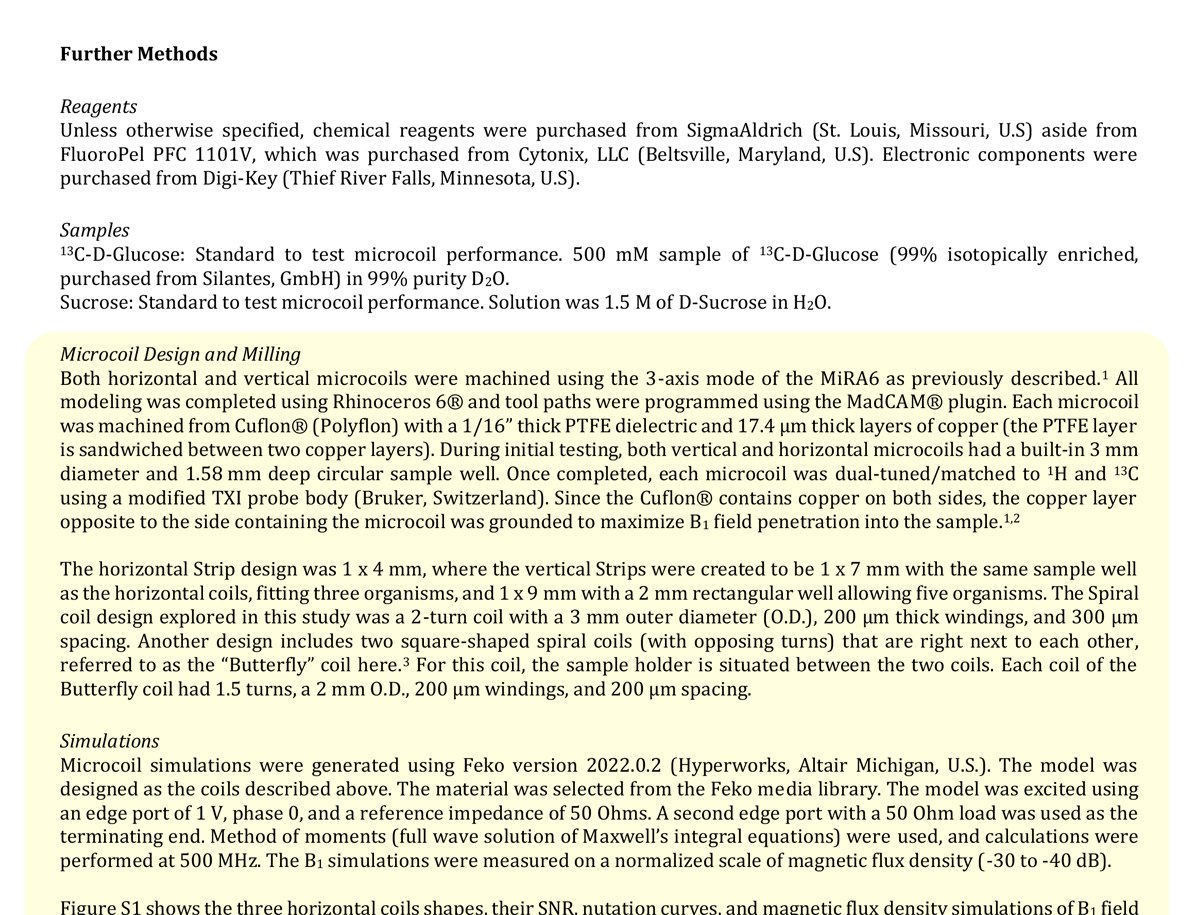
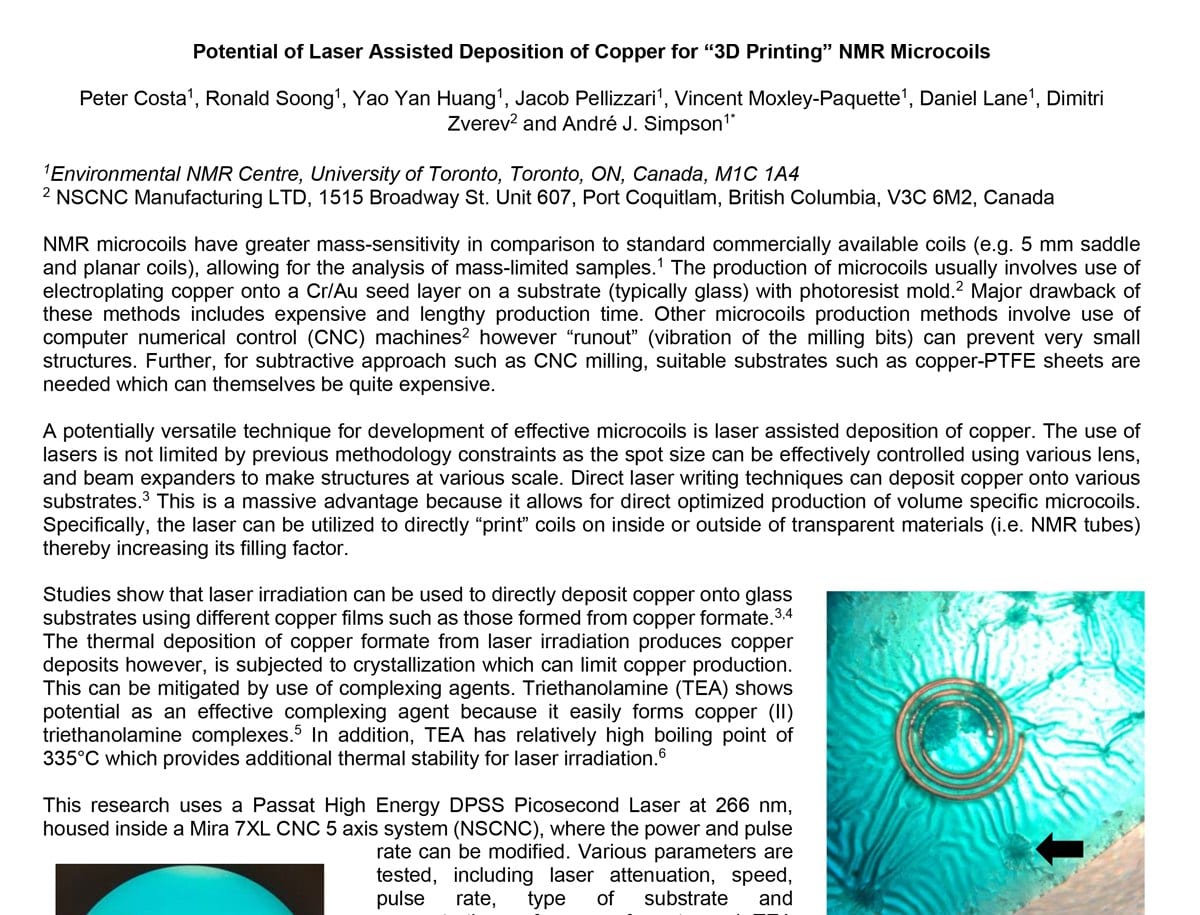
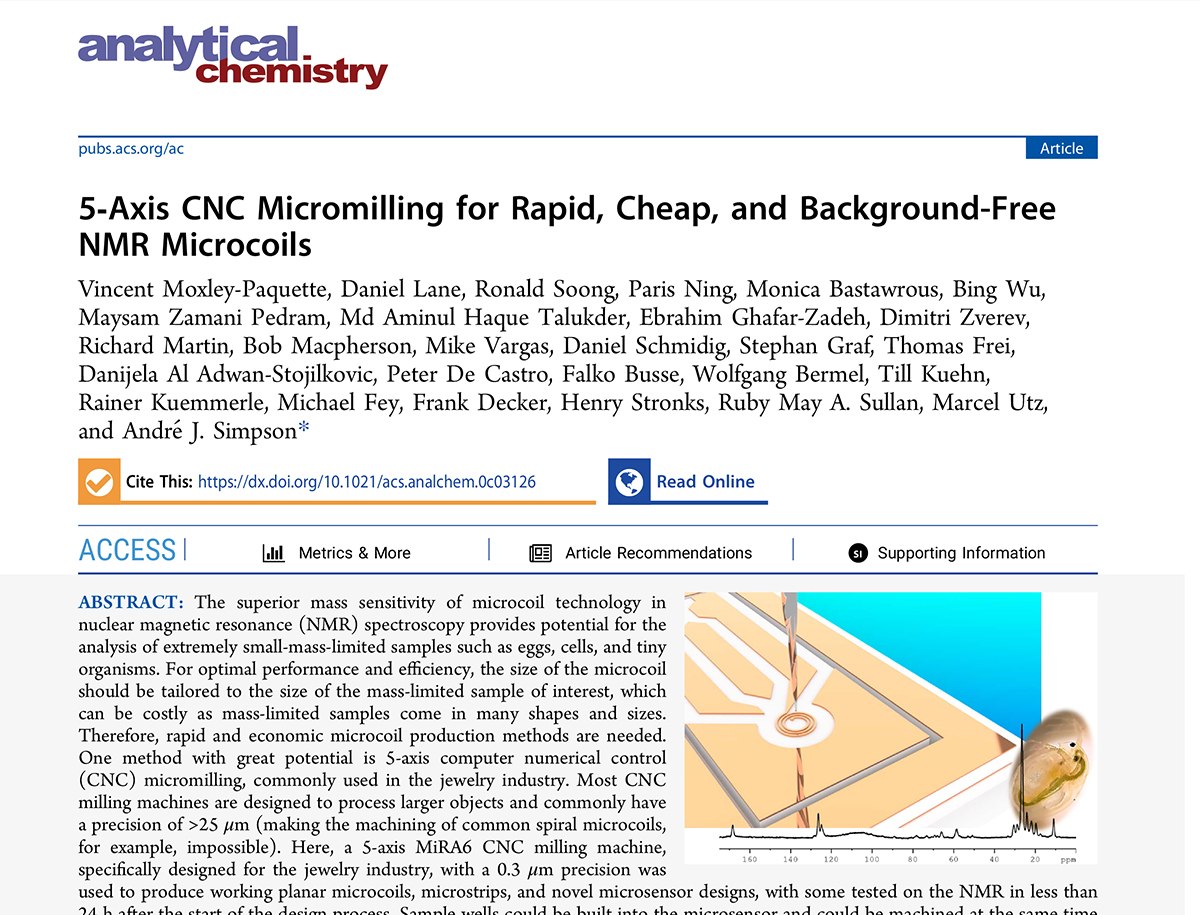
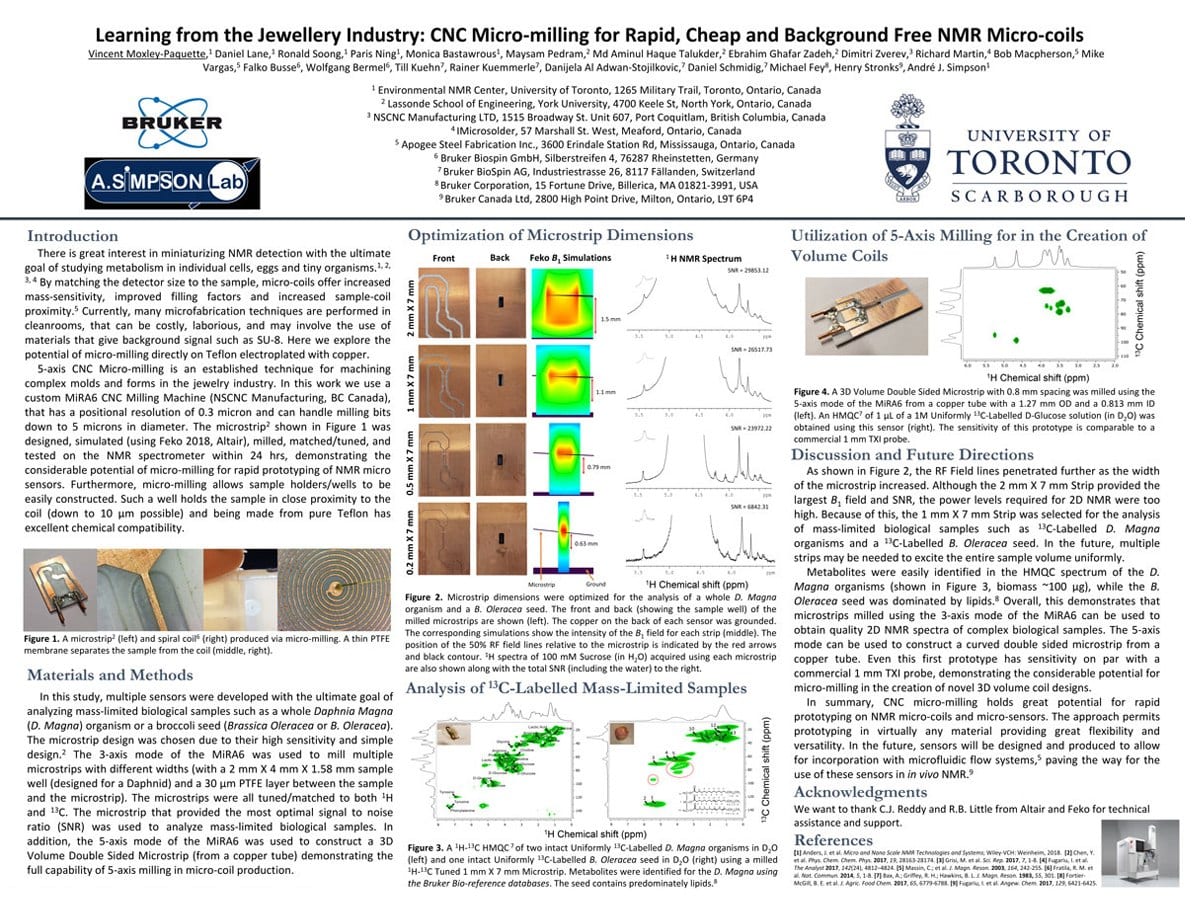
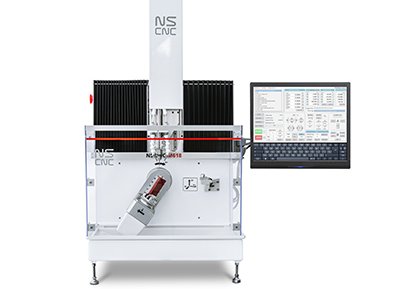
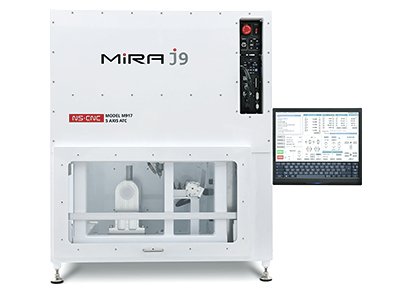
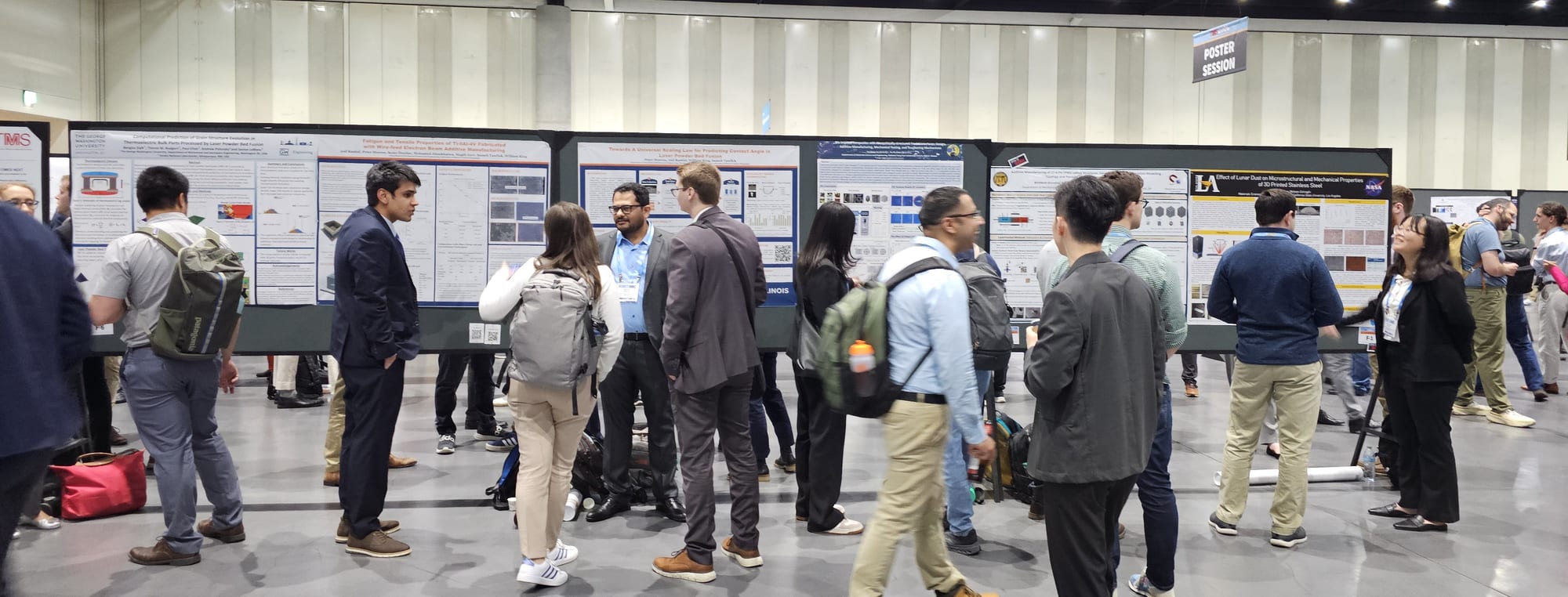
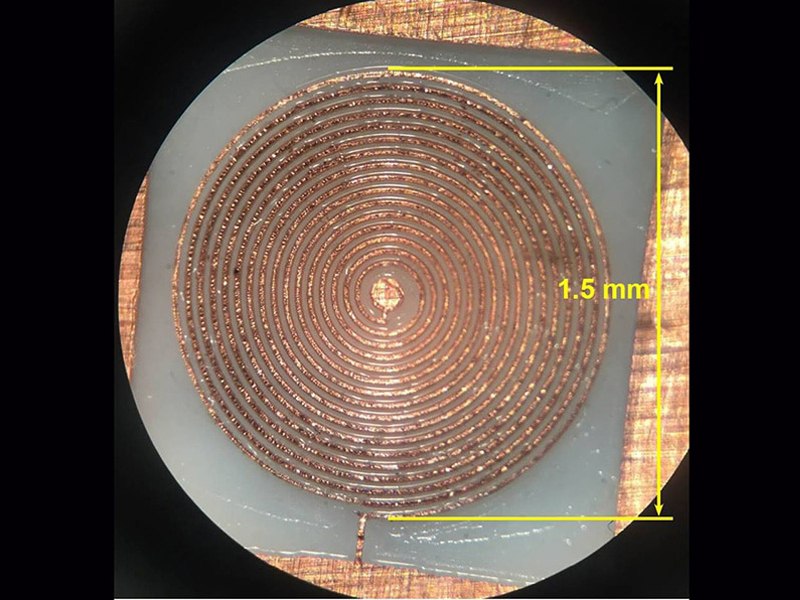
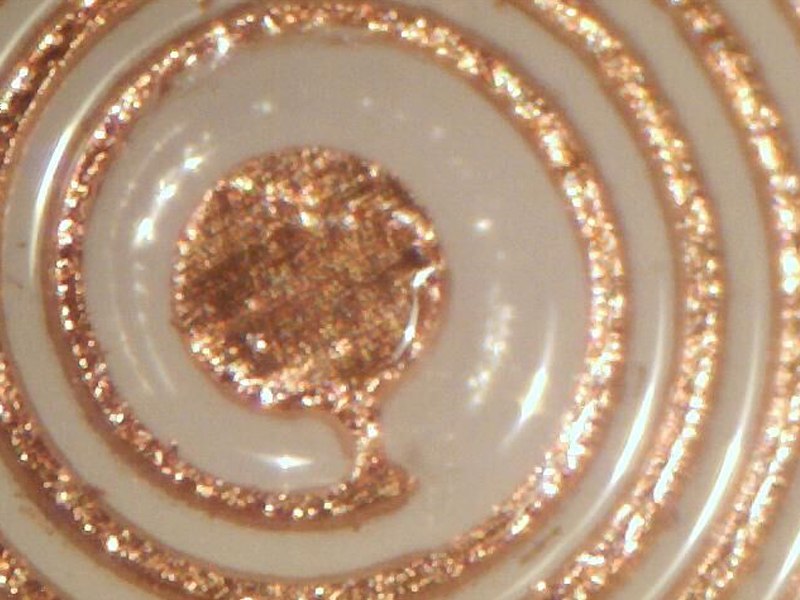
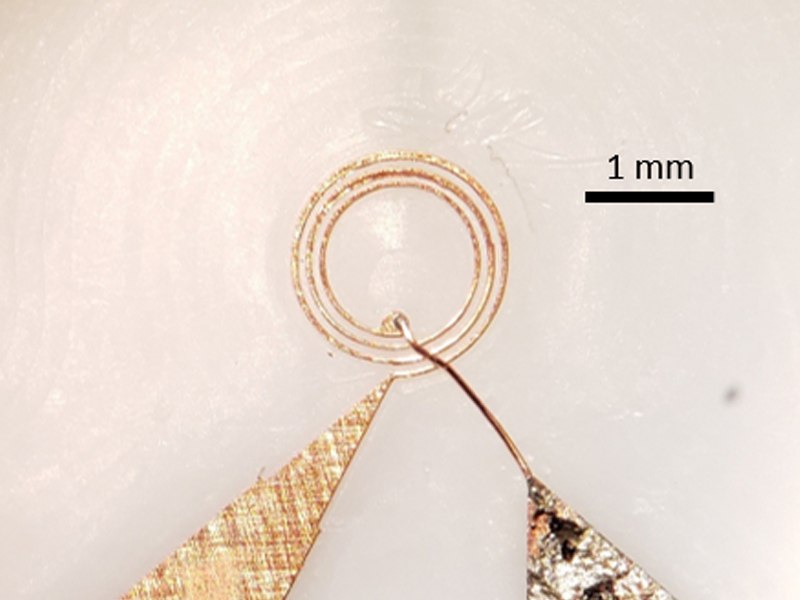
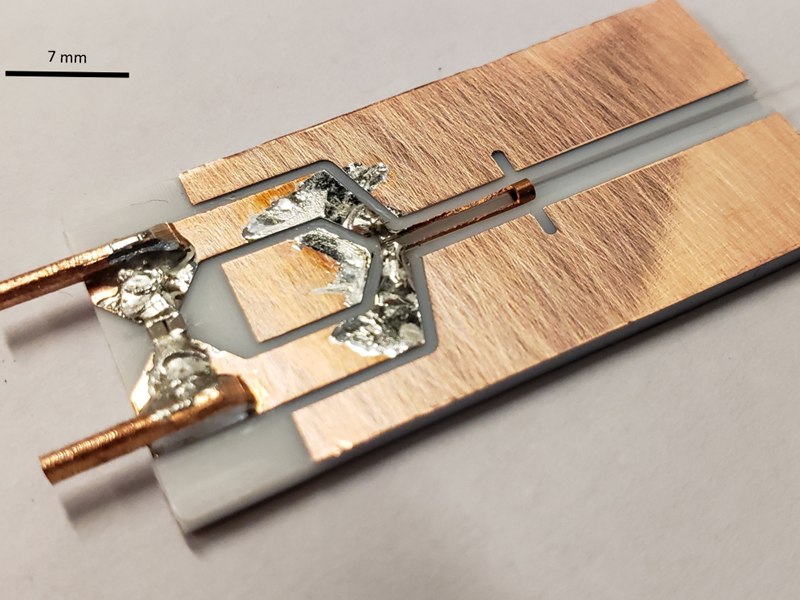
On this page, we feature some of the notable published work of Professor Andre Simpson’s Research Group from the University of Toronto. Their laboratory has been using several high-precision NS CNC milling machines 4-, 5-axis with spindles and laser for many years.
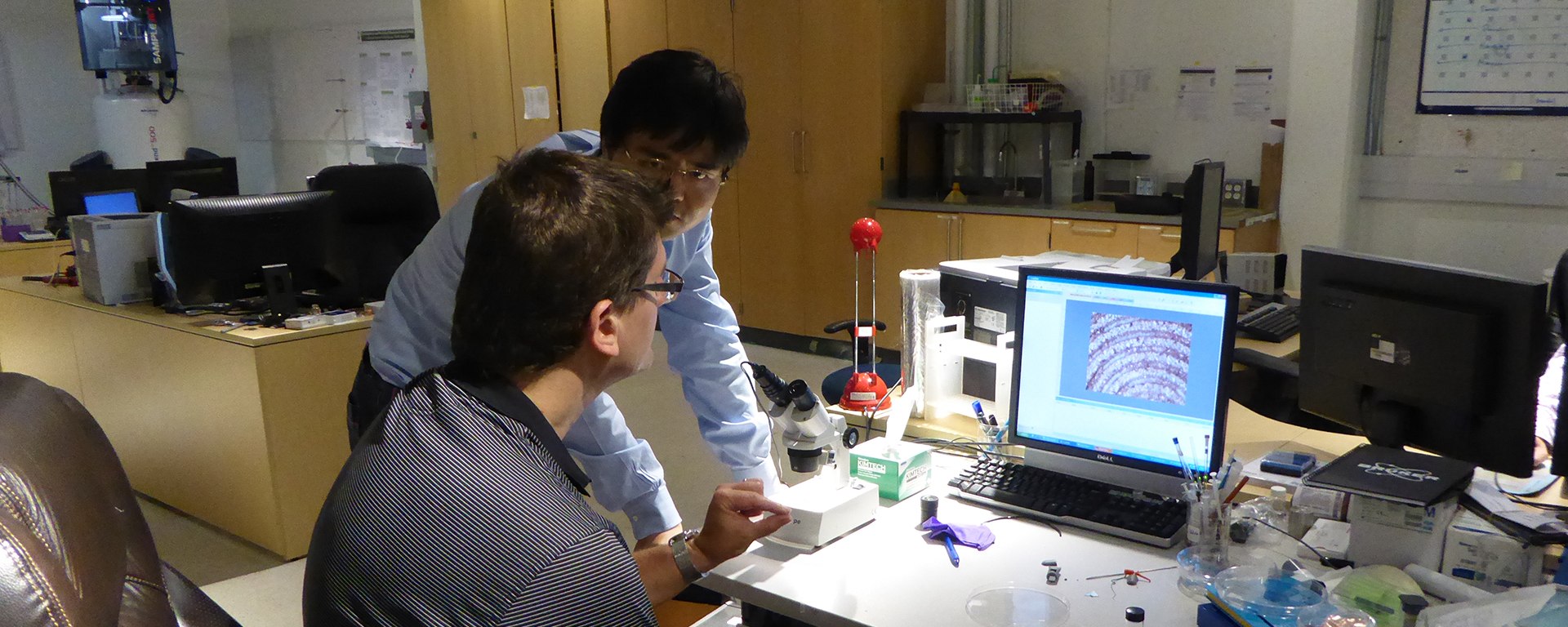
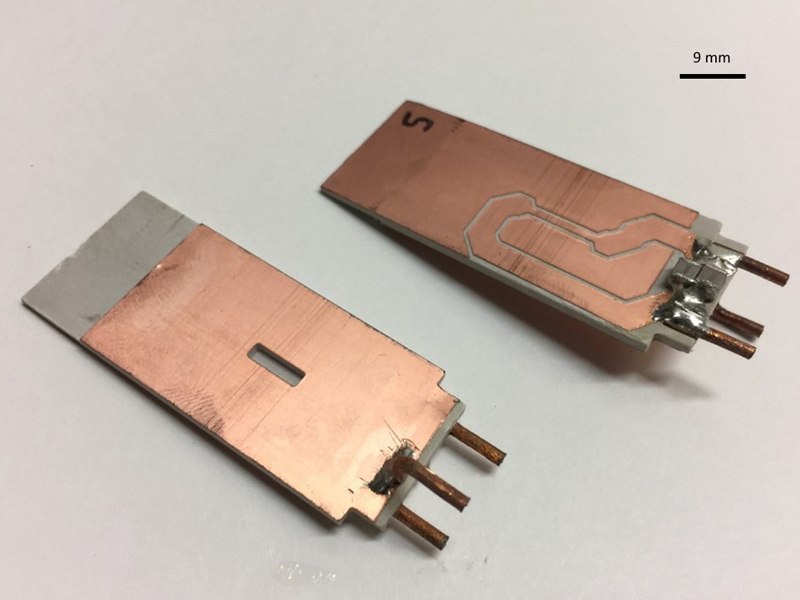
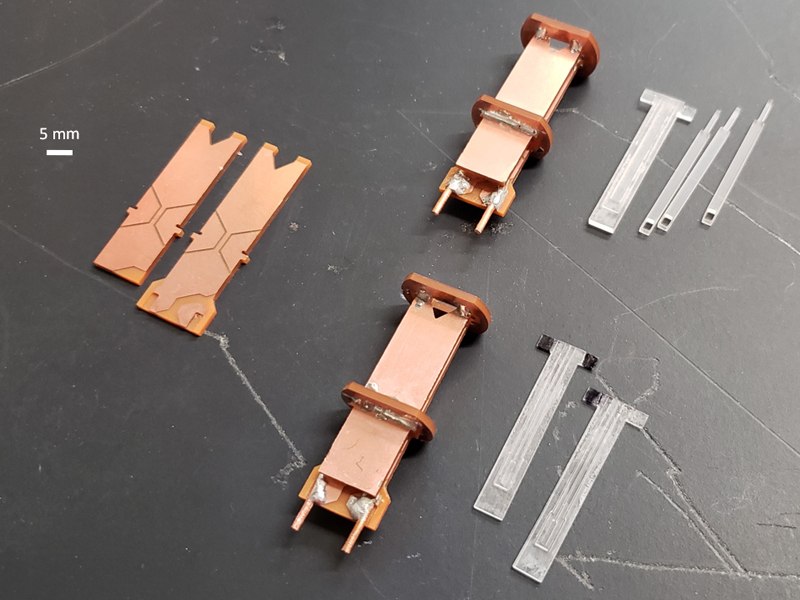
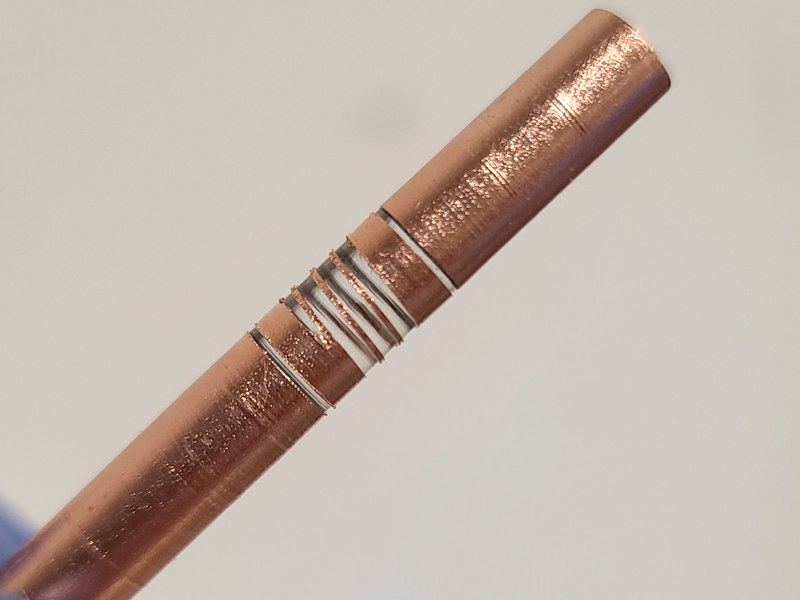
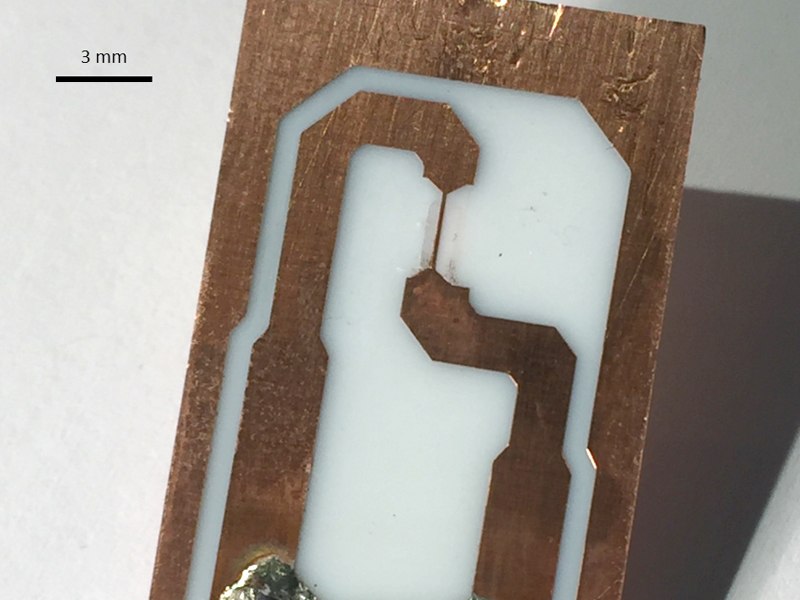
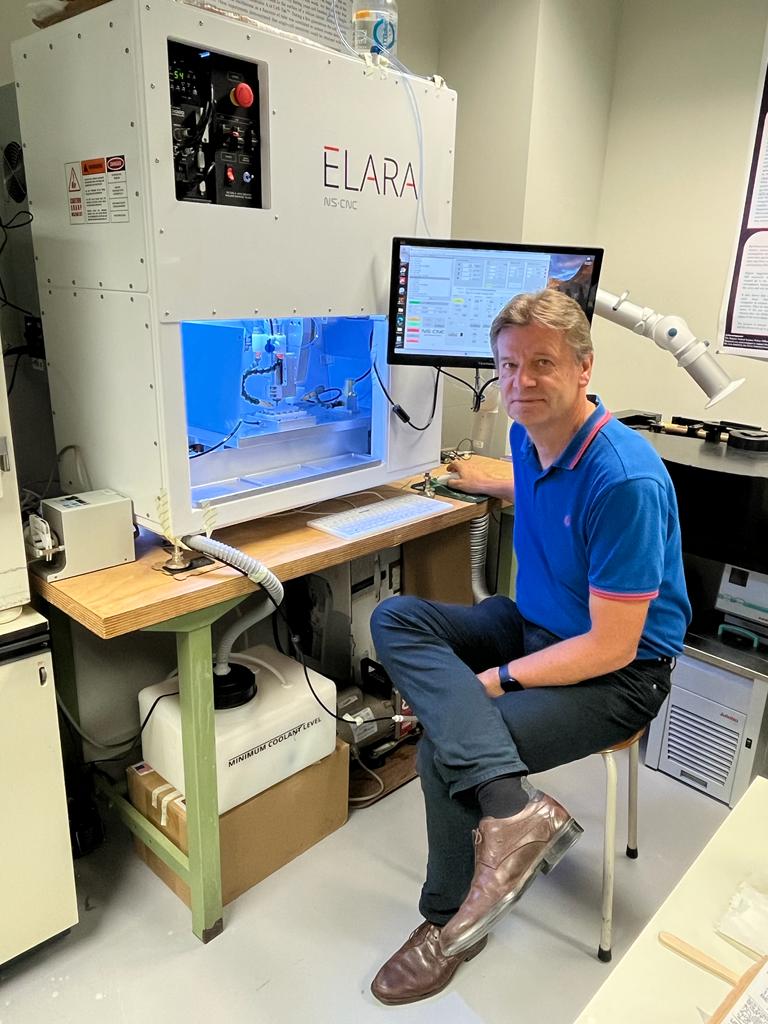
Professor Ronnie Willaert (Vrije Universiteit Brussel, Brussels, Belgium) has extended expertise in yeast research (Saccharomyces cerevisiae, Candida albicans, and C. glabrata) and single-molecule biophysics.
He has considerable experience in optical nanomotion detection as well as in biofabrication (including microfluidic chip and micropattern development). He focuses on developing and using micro- nanobiotechnological techniques to study bone and yeast cells in microgravity (International Space Station) via European Space Agency (ESA) and Belgian Science Policy Office (Belspo) sponsored research project.
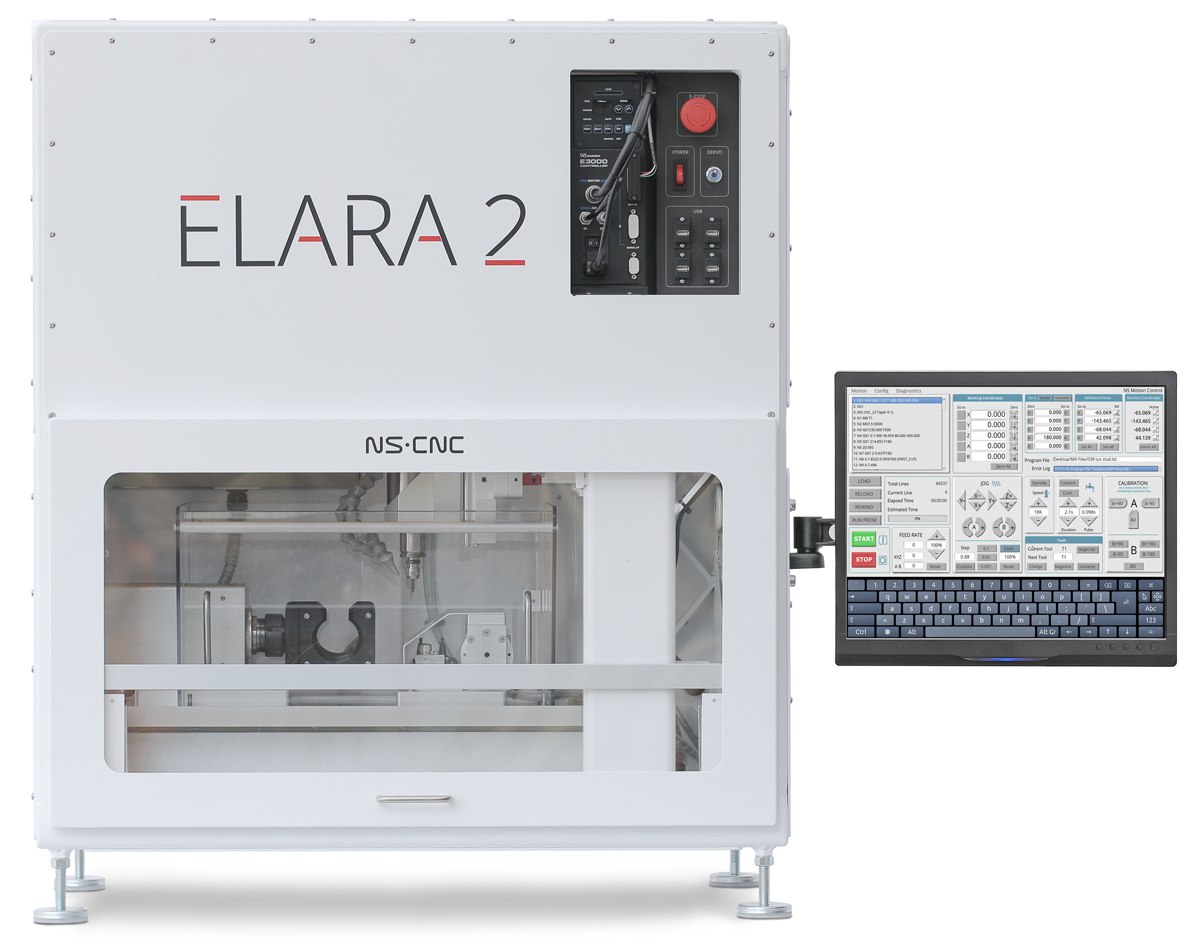
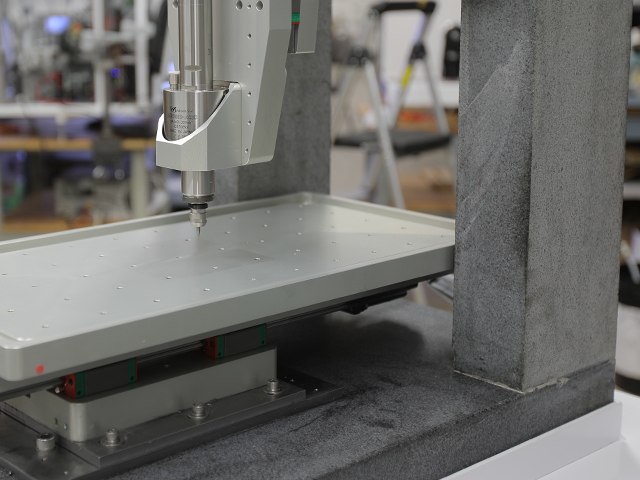
Currently, he is using the CNC Elara (NS CNC) as a fast-prototyping method to optimize a microfluidic chip that will be used for the ESA project “FLUMIAS Yeast Nanomotion”, where yeast cellular nanomotion will be used to assess the effect of antifungals on the viability of yeast cells in space conditions (ISS).
Research Group Structural Biology Brussels (SBB)
Alliance Research Group VUB-UGent “NanoMicrobiology” (NAMI)
International Joint Research Group VUB-EPFL (Switzerland) “BioNanotechnology & NanoMedicine” (NANO)